What we learned from testing young people across Europe
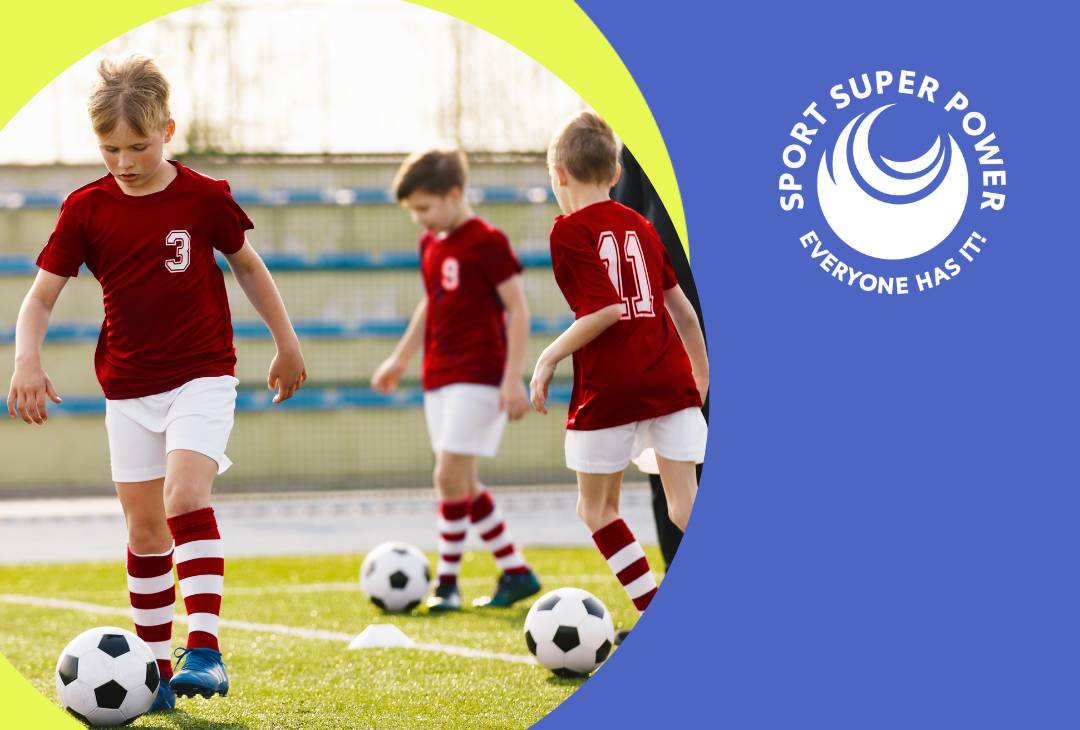
Over a thousand young people across Europe — high school and university students, with and without disabilities — have been tested as part of Sport Super Power, the Erasmus+ Sport project designed to help youth discover their physical potential and find the sport that is right for them. What we found goes well beyond fitness data.
What emerged challenges a widespread belief: inactivity among young people is often interpreted as a lack of ability, while in reality the barriers to physical activity are rarely purely physical— they are psychological, emotional and cultural. And this means the solutions must be too. What clearly emerged is that encouraging young people to be physically active requires more than traditional training programmes. Today’s Generation Z needs inclusive, motivating and meaningful tools that help them feel genuinely welcomed into the world of sport.
The selection of tests within the Sport Super Power methodology plays a central role in the overall experience. The control test battery assesses seven fundamental physical qualities: balance, reaction speed, power, agility, muscle endurance, flexibility and coordination.
Each test has been selected for its simplicity, accessibility and scientific validity. The Stork One Leg Standing test measures balance; the Ruler Drop test captures reaction speed; the Vertical Jump assesses explosive power; the Hexagon Test evaluates agility and lower-body coordination; the Plank measures muscle endurance of the core; the Sit and Reach tests flexibility; and the Alternate Hand Wall Toss assesses hand-eye coordination. Together, the tests provide a complete picture of a person’s fundamental motor profile without requiring specialist equipment. This makes the methodology realistic and implementable in school and university.
The Sport Super Power non-judgemental approach also deserves particular attention. In many traditional sport and education contexts, tests implicitly categorise participants as “good” or “not good”. This binary framing often contributes to early disengagement. The Sport Super Power approach deliberately replaces ranking with profiling. Instead of being labelled, participants receive a structured ad forward-looking overview of their abilities, along with the understanding that these abilities can develop over time. This shift significantly reduced performance anxiety.
Inclusivity is another defining strength of this methodology. By adapting exercises and focusing on fundamental motor skills rather than competition, the tests can meaningfully involve young people with physical or cognitive disabilities. This is a practical demonstration that everyone, without exception, has physical capabilities worth discovering and developing, which is the foundation of the ‘Everyone Has It’ philosophy at the heart of the project.
A test that reveals your physical profile is valuable, but a test that then connects that profile to concrete, real-world sporting possibilities is transformative. This is where the Sport Super Power solution goes significantly further than traditional assessment tools.
Many young people stop practising sport simply because they have never found an activity that genuinely suits them. Traditional sport pathways, both in schools and in clubs, tend to channel young people towards popular or mainstream disciplines without any consideration of individual predispositions, physical profiles or personal interests.
The Sport Super Power methodology, by linking individual test results to a wide range of sports, offers a genuinely new approach: personalised sports orientation. Rather than being told which sport to do, young people are given evidence-based suggestions about which activities might match their natural strengths and are encouraged to try them out. This approach fundamentally reframes the question from ‘Am I good enough for sport?’ to ‘Which sport is right for me?’ — a shift that has profound consequences for motivation and long-term engagement.
The Mind-Body connection
The evidence gathered from testing over a thousand young people across different schools, universities and sports contexts confirms that the Sport Super Power approach responds effectively and innovatively to the real challenges of youth physical activity. Its strengths are the product of careful design, rigorous piloting and a genuine commitment to the sport for all principle. The solution works because:
it is integrated. Physical testing, mental wellbeing awareness and digital tools work together within a single coherent experience. The Sport Super Power App provides young people with immediate access to their personalised results, sport recommendations and wellbeing insights, making the experience feel relevant, modern and empowering
it speaks the language of Generation Z. The interface, the communication style and the overall tone of the experience reflect the values and expectations of a generation that is deeply sceptical of top-down, one-size-fits-all solutions.
inclusion is not an afterthought. From the selection of test exercises to the design of the app, every element has been developed with accessibility and diversity in mind. Whether a participant is a competitive athlete, a sedentary teenager or a young person with a disability, the Sport Super Power experience is designed to offer them something meaningful and actionable.
it is scalable. The methodology can be adopted by schools, universities, sport organisations and community settings. The digital tools reduce barriers to implementation, while the scientific rigour of the methodology ensures that results are credible and comparable across different contexts and countries.
As the Sport Super Power project reaches the end of its cycle, the conclusions drawn from this extensive testing and research phase are both clear and encouraging: sport can be a genuinely powerful tool for physical and mental wellbeing, but young people need to be guided, motivated and given the right tools to find their own way into it. The Sport Super Power project has demonstrated that this is not only possible, but practicable at scale.
The work carried out across the partner countries — the test sessions, the data collected, the insights gathered from hundreds of young people — has produced something of lasting scientific and educational value. This body of evidence can inform sport policy, curriculum design, coach education and public health strategy at local, national and European level.
Most importantly, the Sport Super Power App remains as a concrete and enduring outcome of the project. It is a fully developed tool that continues to be refined and improved, with the ambition of making the Sport Super Power method accessible to as many young people as possible, regardless of their country, background or ability level. The project may be concluding, but the tool, the methodology and the mission continue.
The challenge now is dissemination: ensuring that what has been built reaches the educators, coaches, sport organisations and young people who can benefit from it most. The Sport Super Power approach has been tested, validated and proven. What remains is to bring it to everyone who needs it.
Because everyone has a Sport Super Power. And every young person deserves the chance to discover it.